Winter and Fall Muscle Building: A Guide to Scientific Creatine Monohydrate Dosage and Strength Training
During fall and winter, as temperatures drop, your basal metabolic rate increases and muscle protein synthesis reaches its peak for the year. For those aiming to build muscle, pairing training with a science-backed nutrition plan during this period can yield superior results. Creatine Monohydrate is one of the most extensively studied supplements in sports nutrition; understanding its mechanism of action and proper usage is essential.
Mechanism of Action of Monohydrate Creatine
Creatine monohydrate is stored in skeletal muscle as phosphocreatine, a key substrate for rapid ATP (adenosine triphosphate) resynthesis. During high-intensity, short-duration strength training, the ATP-CP system is the primary energy source. When phosphocreatine stores are sufficient, athletes can complete more repetitions and experience faster recovery between sets.
The International Society of Sports Nutrition (ISSN) position stand indicates that daily intake of 3-5 g of creatine monohydrate can increase muscle creatine content by 20%-40%. This finding is supported by numerous randomized controlled trials and represents the current consensus in sports nutrition.
Scientific formulation: Loading and maintenance phases
Monohydrate creatine supplementation follows two phases. The loading phase aims to rapidly saturate muscle creatine stores, typically at 20 g per day divided into 4 doses of 5 g each, lasting 5-7 days. The maintenance phase begins after loading and requires only 3-5 g daily to maintain saturated muscle creatine levels.
For users not seeking rapid saturation, you can skip the loading phase and start directly with a daily maintenance dose of 3-5 grams. This approach achieves muscle saturation in 3-4 weeks but carries a lower risk of gastrointestinal discomfort. Both methods ultimately result in equivalent creatine stores; choose based on your preference for speed of onset.
For timing, on training days, take 30–60 minutes before your workout or within 30 minutes after. Pre-workout dosing helps boost ATP reserves for that session, while post-workout dosing aligns with the muscle repair window. On non-training days, take it at any consistent time—maintaining daily continuity matters more than the exact timing.
Strategy for combining with strength training
Creatine's effectiveness depends on training stimulus. Without sufficient strength training load, extra creatine stores cannot translate into actual muscle growth. During the fall and winter bulking phase, training plans should center on compound movements—squats, deadlifts, bench presses, and rows. These multi-joint exercises recruit more muscle fibers, synergizing with creatine's energy-boosting advantages.
For hypertrophy, each muscle group should perform 10-20 effective sets per week. Creatine supplementation enables trainees to complete 1-2 additional repetitions at the same weight or lift heavier loads for the same number of reps. This accumulation of progressive overload is the core mechanism by which creatine promotes muscle growth.
Pay special attention to hydration. Creatine draws water into muscle cells, so users should increase their daily water intake by 500-800 mL. Insufficient hydration not only reduces creatine transport efficiency but can also trigger muscle cramps.

Key Criteria for Product Selection
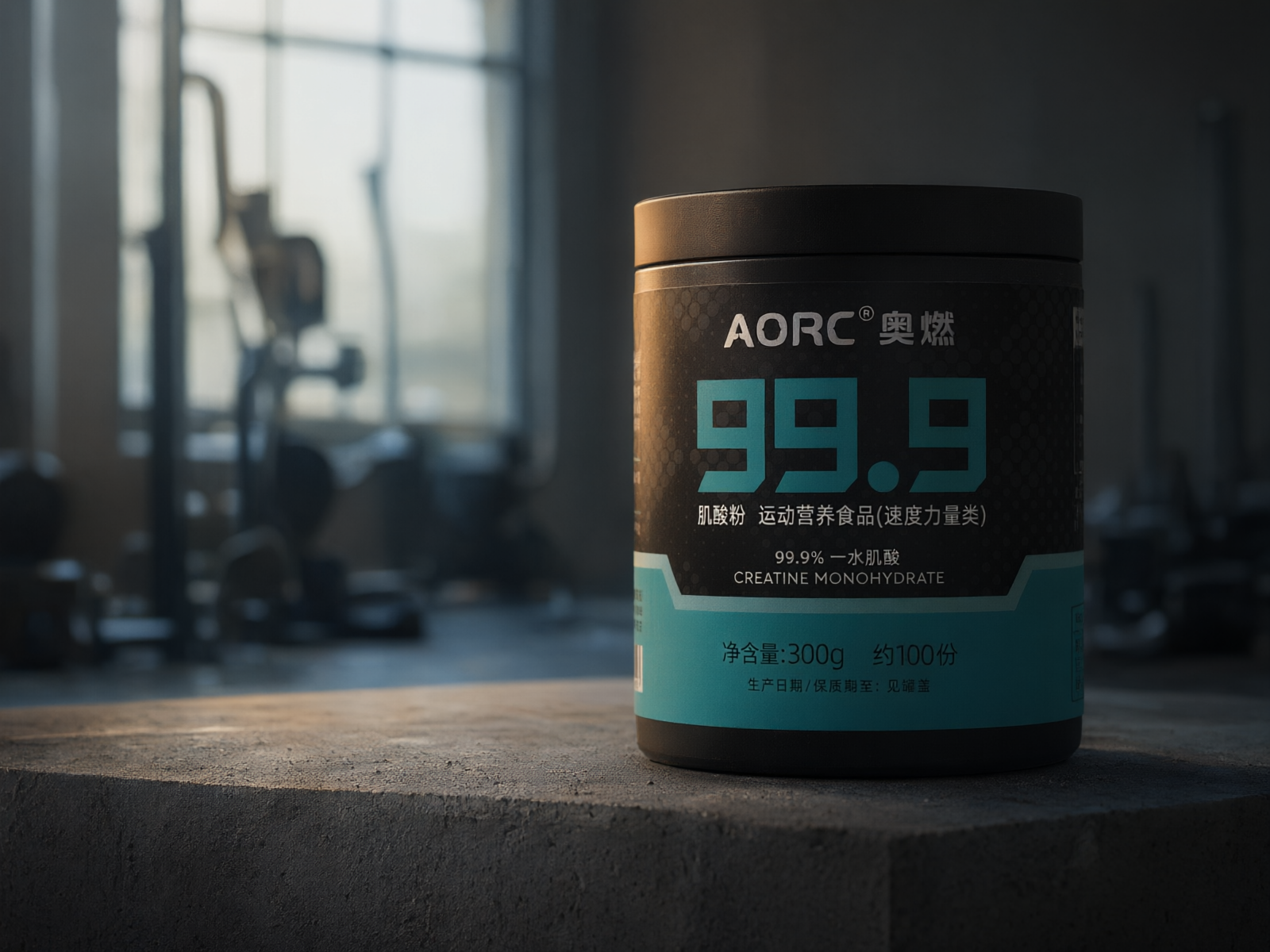
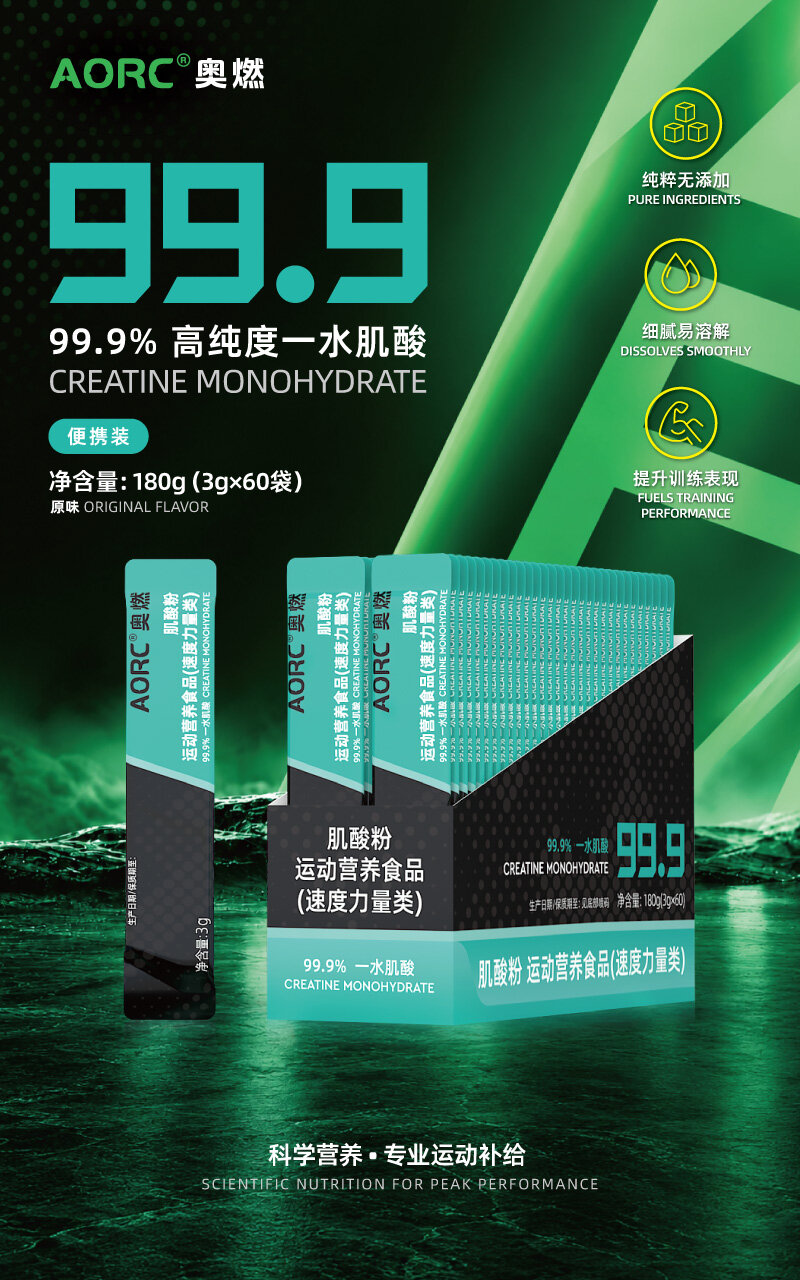
Monohydrate creatine products on the market vary significantly in purity. Low purity means users ingest unnecessary impurities, compromising long-term safety. AORC O-Ran Monohydrate Powder boasts 99.9% purity. The 300g container provides approximately 100 servings; each 3g serving aligns with standard maintenance dosage recommendations. Our pure, additive-free formula contains no fillers, dissolves easily, and is convenient for daily use.
When choosing a creatine supplement, focus on three key factors: purity, serving size, and formula simplicity. High purity ensures adequate active ingredients, standardized serving sizes prevent dosing errors, and additive-free formulas reduce unnecessary intake.
Building muscle in fall and winter is a systematic process. A scientifically backed creatine regimen paired with a structured strength training plan delivers measurable performance gains for athletes. Understanding the science, mastering the technique, and choosing the right products are the three foundational steps to achieving your muscle-building goals.